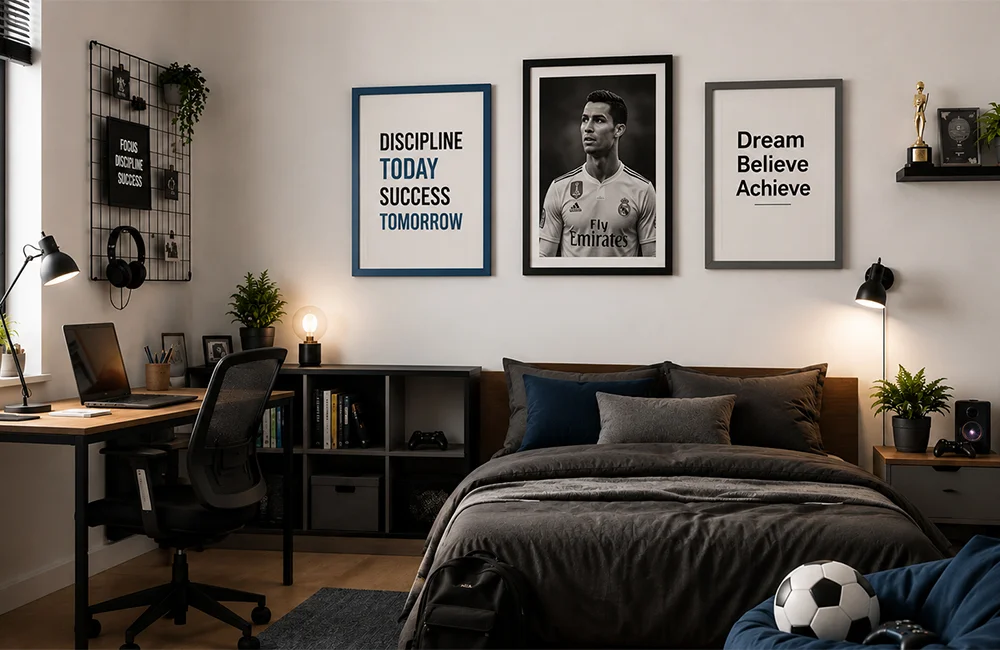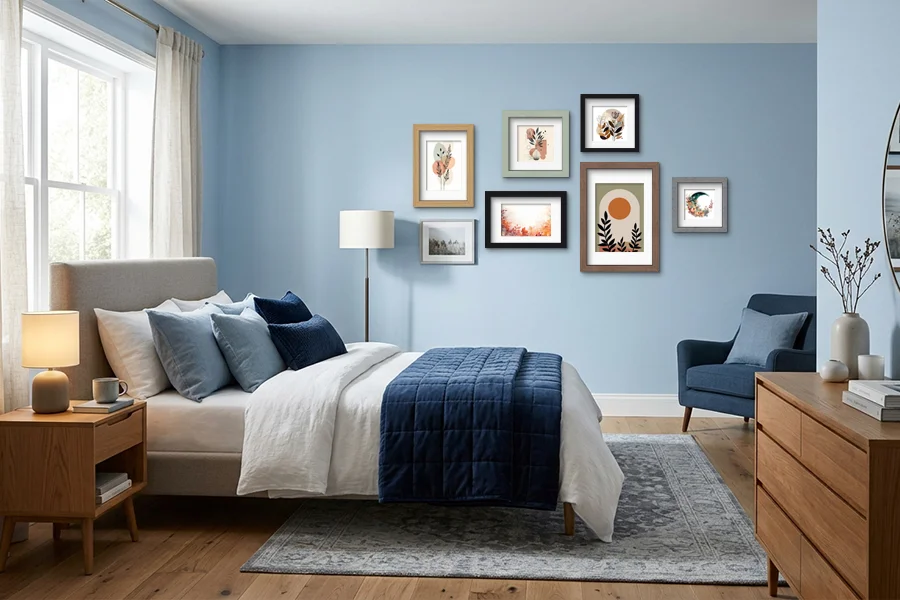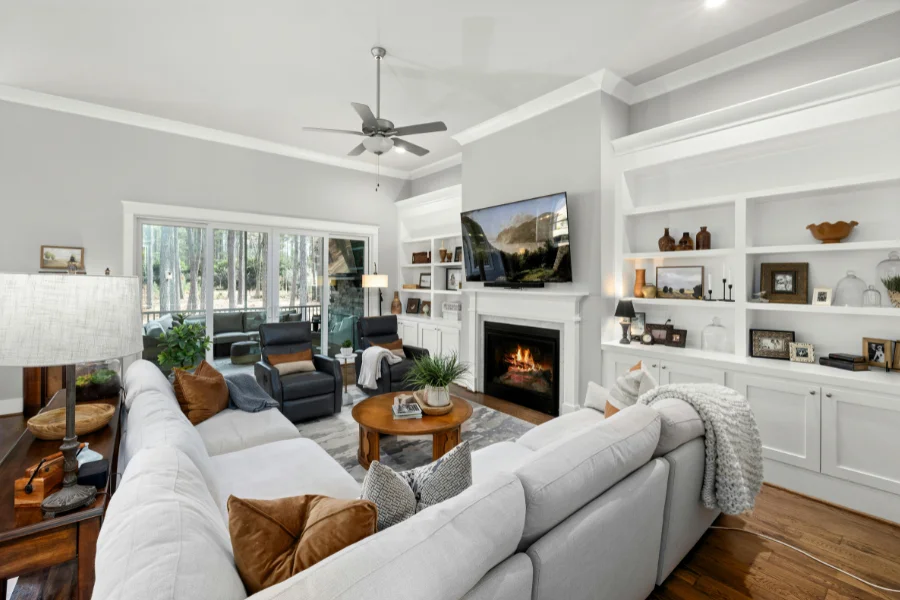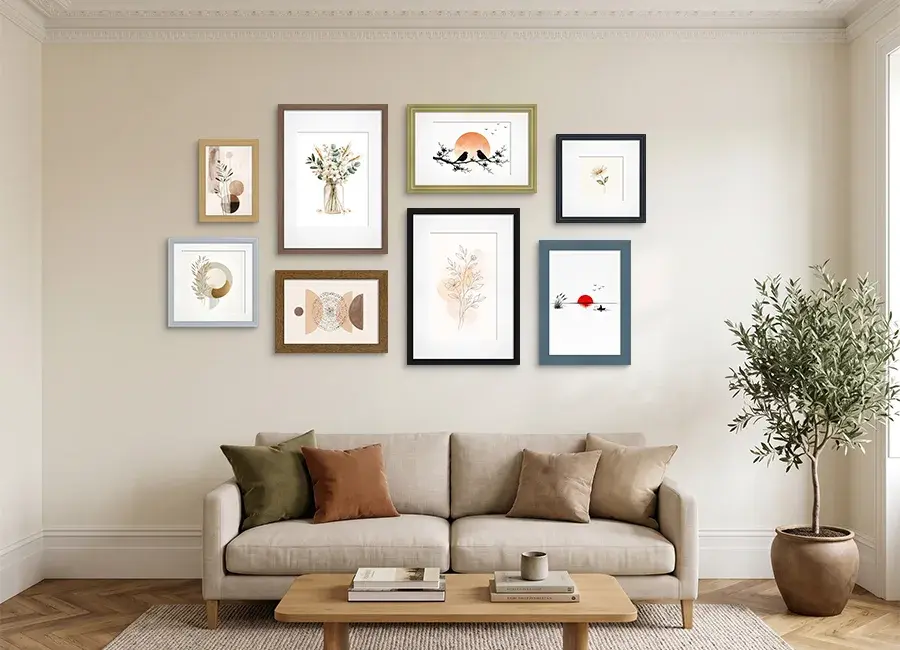
A gallery wall is a lovely way to bring personality into your home while using an empty wall. You can use it to display family photographs, favourite artwork, illustrations or memories from special occasions. Rather than keeping these pieces in separate rooms, you can bring them together in one display that feels personal and meaningful.
Creating a gallery wall, however, takes a little thought. The right picture frames, a suitable arrangement and balanced spacing can make all the difference to how the display looks. You don't need to follow strict design rules, but planning can save time and avoid common mistakes.
Let's walk through creating a beautiful gallery wall, from choosing the right wall and deciding what to display to selecting picture frames and planning your layout. We'll also find practical ideas to help you create a display that feels natural in your home.
Choose the Right Wall for Your Gallery
Before choosing picture frames or deciding what to display, take a look around your home and think about where a gallery wall would work best. An empty wall might seem like an obvious choice, but its position, available space, and relationship to nearby furniture all affect how your display looks.
You don't necessarily need a large wall to create an attractive gallery. A smaller space can work just as well if you plan the arrangement carefully. Here are a few places worth considering.
Living Room Walls and Spaces Above Sofas
The living room is often a natural place for a gallery wall, particularly above a sofa, sideboard or console table. These areas already draw attention. This makes them suitable for displaying family photographs, artwork, or a combination of both.
If you're planning a display above your sofa, consider its width before choosing your photo frames. A gallery that is too narrow can look disconnected from the furniture, while one that spreads too far across the wall may feel crowded.
Aim for an arrangement that sits comfortably within the width of the furniture below it.
Hallways, Staircases and Bedroom Walls
Hallways and staircases are often overlooked, but they can be excellent places for displaying photographs and artwork. A hallway gallery gives you something interesting to look at as you move through your home, while a staircase arrangement can follow the natural slope of the stairs.
In bedrooms, you could create a more personal display with family photographs, favorite prints, or pictures from memorable occasions. Smaller arrangements often work particularly well above bedside tables or on the wall opposite your bed.
Consider Wall Space, Furniture and Viewing Distance
Once you've chosen a possible location, look at the available wall space and what surrounds it. Consider doors, windows, light switches, and nearby furniture, as these can affect how much room you have for your frames.
Also, think about how far away you'll usually view the gallery. A display in a hallway may be seen from a relatively short distance, while one in a living room might be viewed from across the space.
This can help you decide how many frames to use and which sizes will be most suitable.
Before moving on, measure the available area and mark out a rough boundary for your gallery. This gives you a clearer idea of what will fit without making the wall feel overcrowded.

Decide What to Display in Your Gallery Wall
Once you've chosen the wall, the next step is deciding what you want to display. This is where you can make your gallery wall feel more personal rather than simply putting together a collection of pictures that look good.
Think about the photographs, artwork, or memories you'd enjoy seeing every day. You don't have to stick to one type of picture, either.
Combining different subjects can make the display more interesting, as long as there's a little consistency in the overall look. Here are a few ideas to help you decide.
Family Photographs and Personal Memories
Family photographs are a popular choice for gallery walls because they bring personal meaning to the display. You could include pictures from family holidays, special occasions, everyday moments, or photos tied to particular memories.
You don't need to use only recent photographs. Older family pictures, childhood memories, and black & white photographs can add variety and give your gallery a more personal feel.
If you're using several photographs, think about how they look together rather than choosing each one in isolation.
Art Prints, Illustrations and Posters
If you enjoy artwork, consider including art prints, illustrations or posters alongside your photographs. These can introduce different colours, patterns and subjects, helping to break up a display that might otherwise feel too repetitive.
You could choose artwork based on a particular theme, such as nature, architecture, abstract designs or landscapes. Alternatively, pick a few prints that share similar colours or tones. This creates a visual connection without making every picture look the same.
Combining Photographs and Artwork for a Personal Display
You don't have to choose between photographs and artwork. In fact, combining the two can create a more interesting gallery wall. For example, you could arrange family photographs alongside landscape prints, illustrations or a favourite piece of artwork.
The key is to balance the different subjects. If most of your photographs have similar colours, a few contrasting art prints can add interest. Similarly, if your artwork is quite colourful, simpler photographs can help keep the arrangement from feeling too busy.
Before choosing your picture frames, lay all your selected pictures together and see how they look as a collection. This makes it easier to spot missing colours, repeated subjects or pictures that don't quite work with the rest.

Choose Picture Frames That Work Together
Once you've decided what to display, it's time to think about the picture frames. They play an important part in how your gallery wall comes together, as the frames help connect different photographs and artwork into one display.
You don't necessarily need to use identical frames throughout. A mix of frame styles, colours, and sizes can work beautifully, as long as there's something that brings the collection together.
The idea is to create enough variety to keep the display interesting without making it look disconnected.
Mixing Different Picture Frame Styles
Using different frame styles is a simple way to add character to your gallery wall. For example, you could combine traditional wooden frames with simpler, modern designs or mix decorative frames with clean, minimal profiles.
However, try to keep a visual connection between them. If you're combining several styles, consider using similar finishes, colours or shapes to bring everything together. This helps the frames complement each other rather than compete for attention.
Choosing Frame Colours That Complement Each Other
Picture frame colours can noticeably affect the overall appearance of your gallery wall. Black and white photo frames are a popular choice for a clean, coordinated display, while wooden finishes can introduce warmth and a more natural feel.
You can also combine different colours rather than sticking to one finish. For instance, black photo frames can work well alongside natural wood, particularly when the photographs or artwork share a similar colour palette.
If you're unsure, start with two complementary finishes and see how they look together before introducing more.
Combining Different Frame Sizes and Orientations
A gallery wall doesn't have to use frames of the same size or orientation. Combining larger and smaller frames, along with portrait and landscape formats, can make the arrangement feel more natural and less repetitive.
You might use a larger frame to display a favourite photograph or artwork, then surround it with smaller picture frames to fill the remaining space. Just make sure the different sizes feel balanced across the wall rather than clustered in one area.
If you're unsure which frame dimensions will work best, our picture frame sizes guide can help you understand the available options before you choose.
Your frames don't all have to match perfectly. What matters is how they work together as a collection and whether they help create the overall look you're aiming for.

Plan Your Gallery Wall Layout
Now that you've chosen your pictures and frames, it's time to work out how you want to arrange them. The layout can make a big difference to the finished display, even when you're using the same collection of photo frames.
Some arrangements look neat and structured, while others feel more relaxed and informal. There's no single layout that works for every home. It depends on the wall you're using, how many frames you have, and the overall look you want to achieve.
Here are three common approaches to consider.
Symmetrical and Grid Arrangements
If you prefer a neat and organised look, a symmetrical or grid layout is worth considering. This arrangement usually involves using frames of the same size, placed in straight rows and columns with equal spacing between them.
For example, you could arrange six or nine frames in a simple grid to create a balanced display above a sofa or sideboard. This works particularly well when you use similar frame styles and photographs with a consistent look.
Relaxed and Asymmetrical Gallery Wall Layouts
If you prefer something less structured, an asymmetrical arrangement gives you more freedom to experiment. You can combine different frame sizes, orientations and styles without following a strict pattern.
A good approach is to start with one larger frame and arrange smaller ones around it. You can then adjust their positions until the overall display feels balanced.
Although the arrangement is informal, try to avoid leaving one side noticeably heavier than the other.
Balancing Spacing and Visual Proportions
Whatever layout you choose, pay attention to the gaps between your frames and how much wall space the complete arrangement occupies. Frames placed too close together can make the display feel crowded, while large, uneven gaps may make it look disconnected.
As a starting point, leave around 5 to 8 cm between frames, then adjust the spacing according to their sizes and the available wall space. Also, consider the overall shape of your arrangement in relation to nearby furniture.
Before settling on a layout, try a few different arrangements on the floor. Moving frames around is much easier there, and you can compare different combinations before deciding which one works best on your wall.

How to Arrange and Hang Your Picture Frames
Once you've settled on a layout, the next step is putting your gallery wall together. Even if you've planned everything carefully, it's worth taking a little time before making holes in the wall.
A few simple checks can help you get the arrangement right and avoid moving frames around later. You don't need any complicated tools or professional help for a typical gallery wall.
With basic measuring, a little patience, and the right hanging equipment, you can create a display that looks balanced and sits neatly on your wall.
Plan the Arrangement Before Hanging
Start by laying all your photo frames on the floor and arranging them in the order you've chosen. If you're happy with the layout, take a photograph so you have something to refer to while hanging them.
Another useful approach is to cut paper templates to match your frames' sizes. You can attach these to the wall using masking tape and move them around until you're happy with their positions.
This also gives you a chance to check the overall arrangement before making any holes.
Start with a Central or Larger Frame
If your gallery wall includes frames of different sizes, starting with the largest one can make the process easier. Place it in your chosen position, then arrange the smaller frames around it.
Alternatively, you can begin with the central frame if you're creating a more symmetrical arrangement. This gives you a reference point for positioning the remaining frames and helps keep the overall display organised.
Maintain Consistent Spacing Between Picture Frames
As you hang your frames, pay attention to the gaps between them. Try to maintain the spacing you planned, as even small differences can make the finished arrangement look untidy.
You don't have to measure every gap repeatedly, but a tape measure or small spacing guide can help you stay consistent. If you're working with different frame sizes, check both the horizontal and vertical gaps as you go.
Check the Overall Balance Before Fixing Everything in Place
Once you've hung a few frames, step back and look at the arrangement from a distance. This helps you notice things that might not be obvious when you're standing close to the wall, such as uneven spacing or one side appearing heavier than the other.
Before fixing the remaining frames in place, check that the display looks balanced in relation to the wall and surrounding furniture. Also, make sure each frame is securely attached using suitable wall fixings for its weight and your wall type.
Don't rush the hanging process. Taking a few extra minutes to check positions and spacing can save you from unnecessary adjustments later.

Gallery Wall Ideas for Different Interior Styles
The way you arrange your gallery wall can also depend on your home's style. A display that looks right in a modern living room might feel out of place in a more traditional setting.
The good thing is that gallery walls are flexible, so you can adapt your choice of pictures, frames and layout to suit your existing décor. If you're not sure which direction to take, here are three popular interior styles to inspire you.
Modern and Minimalist Gallery Walls
For a modern or minimalist interior, keep things simple with clean frame designs, neutral colours and plenty of space between pictures. Black, white and natural wood frames work particularly well for this style.
You could use a small collection of photographs, abstract prints or simple illustrations arranged in a neat grid or balanced layout. Avoid adding too many different colours or decorative elements. A more restrained selection will help maintain the clean appearance.
Traditional and Classic Picture Displays
If your home has a more traditional interior, consider using wooden frames, darker finishes or decorative frame profiles. These can work particularly well with family portraits, landscape paintings, vintage prints and black-and-white photographs.
You don't have to make everything identical, but choosing frames with similar finishes or detailing can help create a consistent appearance. A symmetrical arrangement can also suit this style, particularly when displaying family photographs or artwork in a living room or hallway.
Eclectic Gallery Walls with Mixed Frames
If you enjoy mixing different styles, a diverse gallery wall gives you plenty of room to experiment. You can combine colourful artwork, family photographs, illustrations and different picture frame designs to create a display with more personality.
Try mixing black, white and wooden frames, along with different sizes and orientations. You can also introduce contrasting artwork and photographs to make the arrangement more interesting.
The trick is to have at least one connecting element, such as a recurring colour, subject or finish, so the collection still feels like one display.
You don't have to follow one interior style too strictly. Take inspiration from the ideas you like and adapt them to your existing décor, rather than trying to make your gallery wall look exactly like someone else's.

Common Gallery Wall Mistakes to Avoid
Creating a gallery wall gives you plenty of room to experiment, but a few small mistakes can affect the finished display. Sometimes, it's not the choice of pictures or frames that's the problem, but how everything comes together on the wall.
Before you start hanging your frames, keep these common issues in mind. A little attention to detail can help you avoid unnecessary adjustments later.
- Choosing photo frames that compete with the artwork: Decorative or brightly coloured frames can sometimes draw more attention than the pictures themselves. Choose frame styles and finishes that complement what you're displaying.
- Mixing too many colours and styles: Combining different frames can look great, but introducing too many unrelated colours, finishes, and designs can make the display feel disjointed. Try to maintain a few connecting elements throughout the arrangement.
- Leaving uneven or awkward gaps: Spacing that's too wide in some places and too narrow in others can make the gallery look untidy. Plan your arrangement and try to keep the gaps reasonably consistent.
- Overcrowding the wall: Adding more frames doesn't always make a better gallery wall. Leave enough space around the arrangement so individual pictures can be appreciated without making the display feel overwhelming.
- Ignoring surrounding furniture: A gallery wall should work with the rest of the room. Consider the width of sofas, tables and other nearby furniture when deciding how large your arrangement should be and where to position it.
The main thing is to look at your gallery wall as one complete arrangement rather than a collection of individual frames. When the pictures, frames, spacing and surrounding décor work together, the finished display will feel much more natural.

Final Thoughts
Creating a beautiful gallery wall doesn't have to be complicated. Start by choosing a suitable wall, select photographs or artwork you'd like to display, and find picture frames that work well together.
From there, take your time planning the layout and spacing before hanging everything. Remember, there's no need to make every frame match or follow a particular arrangement.
A combination of different sizes, finishes and picture styles can work just as well as a neat, symmetrical display. What matters is finding a balance that suits your home and gives your chosen pictures room to stand out.